
TRAIN TO DO IT RIGHT THE FIRST TIME.
Hands-on, scenario-based rescue and rope access training in real locations by a career firefighter and rescue technician for the people who get the call.
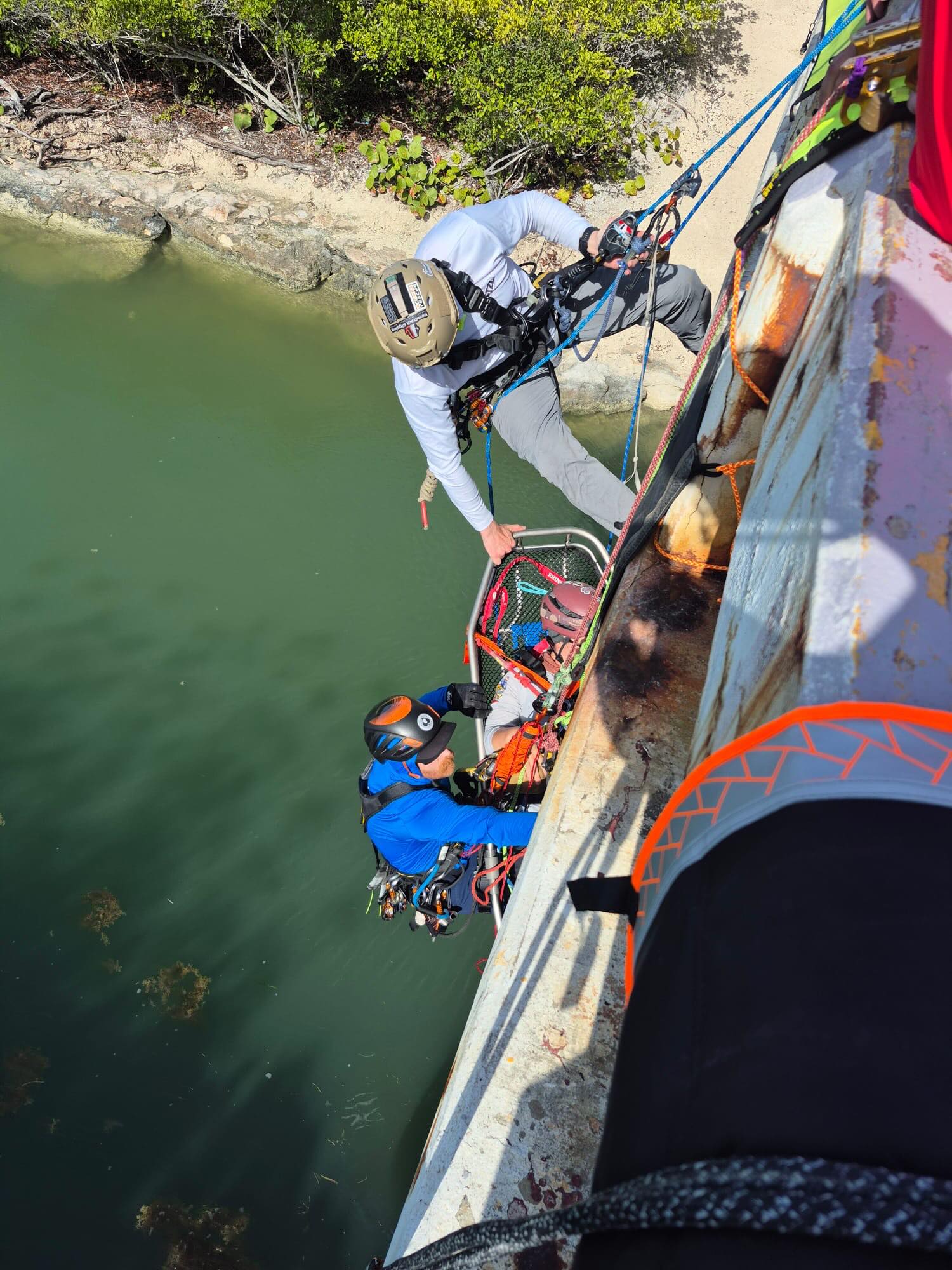
Train with people who do the job.
Resultant Rigging is run by Tom Dennehy. Lifelong climber, twenty years in the military, and a career on the fire ground. Rope, confined space, trench and collapse qualified.
Years in the military
Technical rescue qualifications
Career on the fire ground
WHY WE EXIST
Resultant Rigging isn’t here to tell you how much we know or show off what gear we have. We’re here to bring like-minded rescuers together to raise awareness of better and current techniques — and to build an environment where the people who may one day be forced to work together can learn and train together first.
Interoperability
Crews who may one day work the same scene should train together first.
Current technique
Technique moves. Raising awareness of what's current — and letting people try it on a real problem — beats defending the way it's always been done.
Because we owe it to the people who are calling us to save them, to be better than what we're told is acceptable.
Tom — Founder, Resultant Rigging
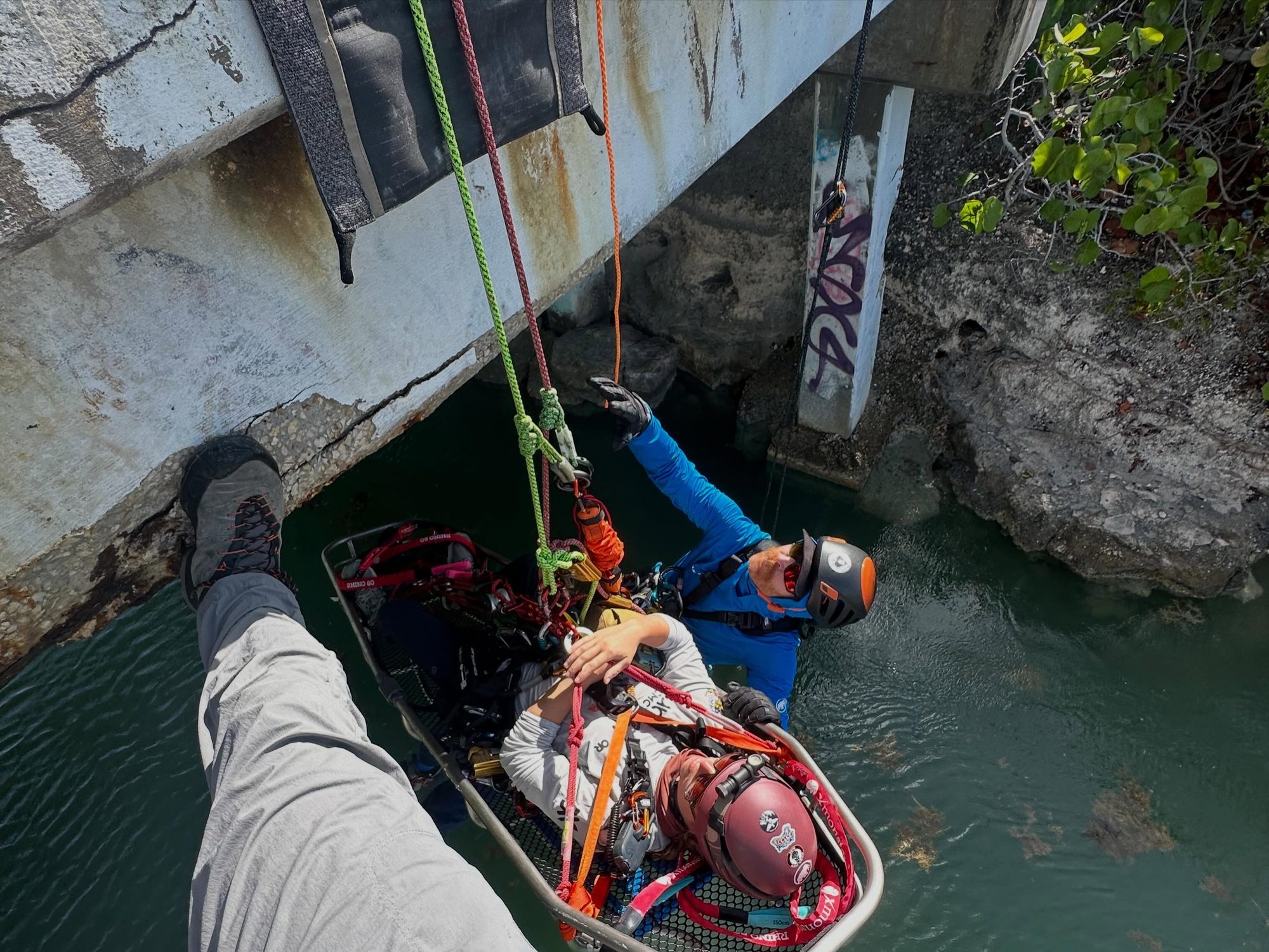
A real location. A real problem. Time to work it.
We bring a realistic location and a realistic scenario, then get out of the way. Bring your method. We'll bring the problem and the time to work it properly.
Discuss options before anything comes off the bag.
Run more than one method on the same problem.
Cycle through every position on the crew.
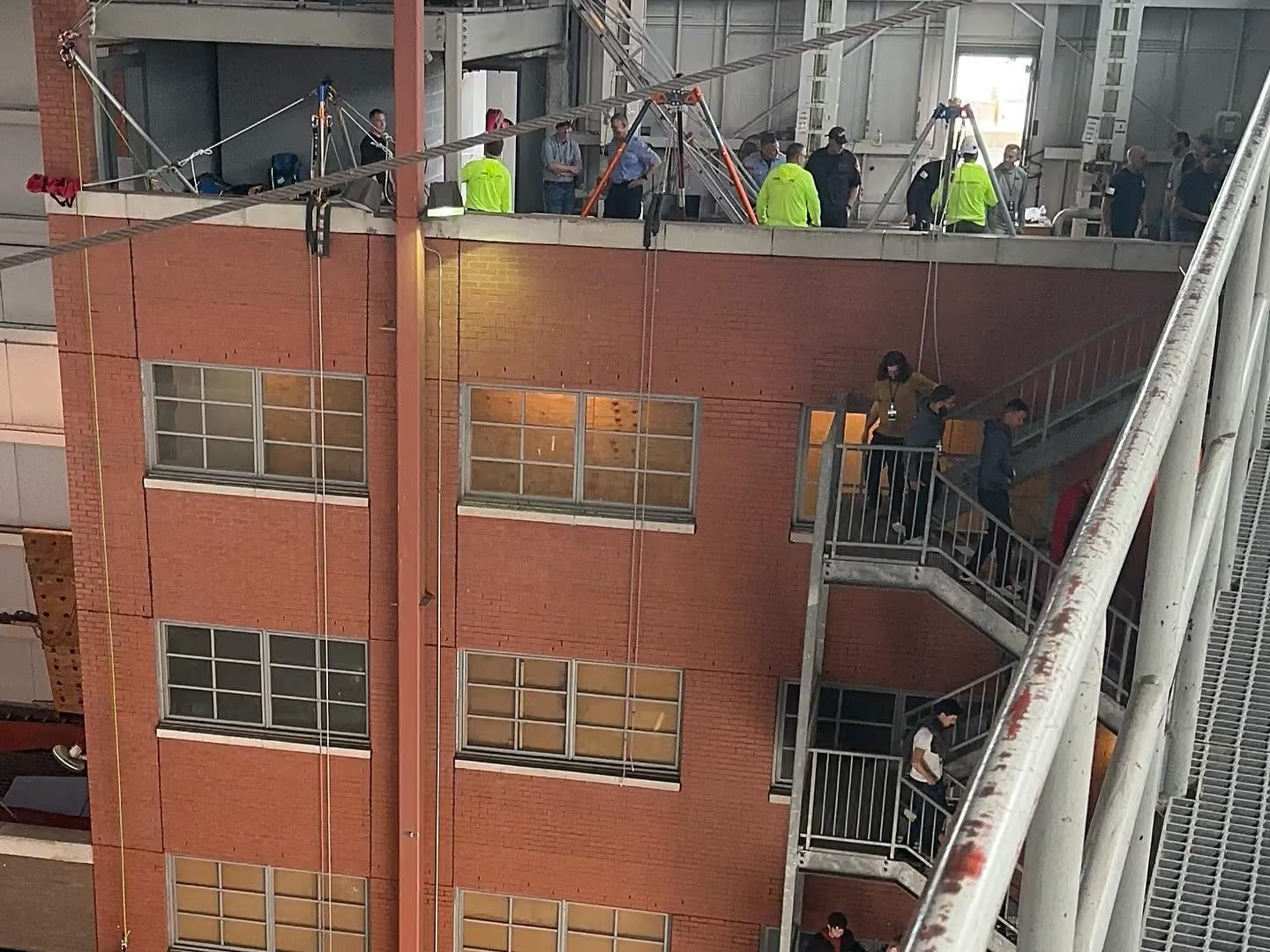
TRAINING DAY SERIES
A realistic location and a realistic scenario — where firefighters and rescue personnel discuss options, try different methods, and cycle through every position until you’re confident you can do it right the first time.
01
REAL LOCATIONS
Not a training tower. An actual structure, an actual hole, an actual edge. The environment is part of the problem.
02
REALISTIC SCENARIOS
You get a problem, not a checklist. Work it the way you'd work the call, with the time to do it properly.
03
PRACTICAL SKILLS
Bring your method. We'll pressure-test all of them, then cycle through every position until it's automatic.
04
DESIGNED FOR RESCUERS
Anyone looking to become a better rescuer. Peers sharpening peers, not an instructor talking at a room.
What it actually looks like
Real structures, real problems, and crews from more than one agency working the same one.
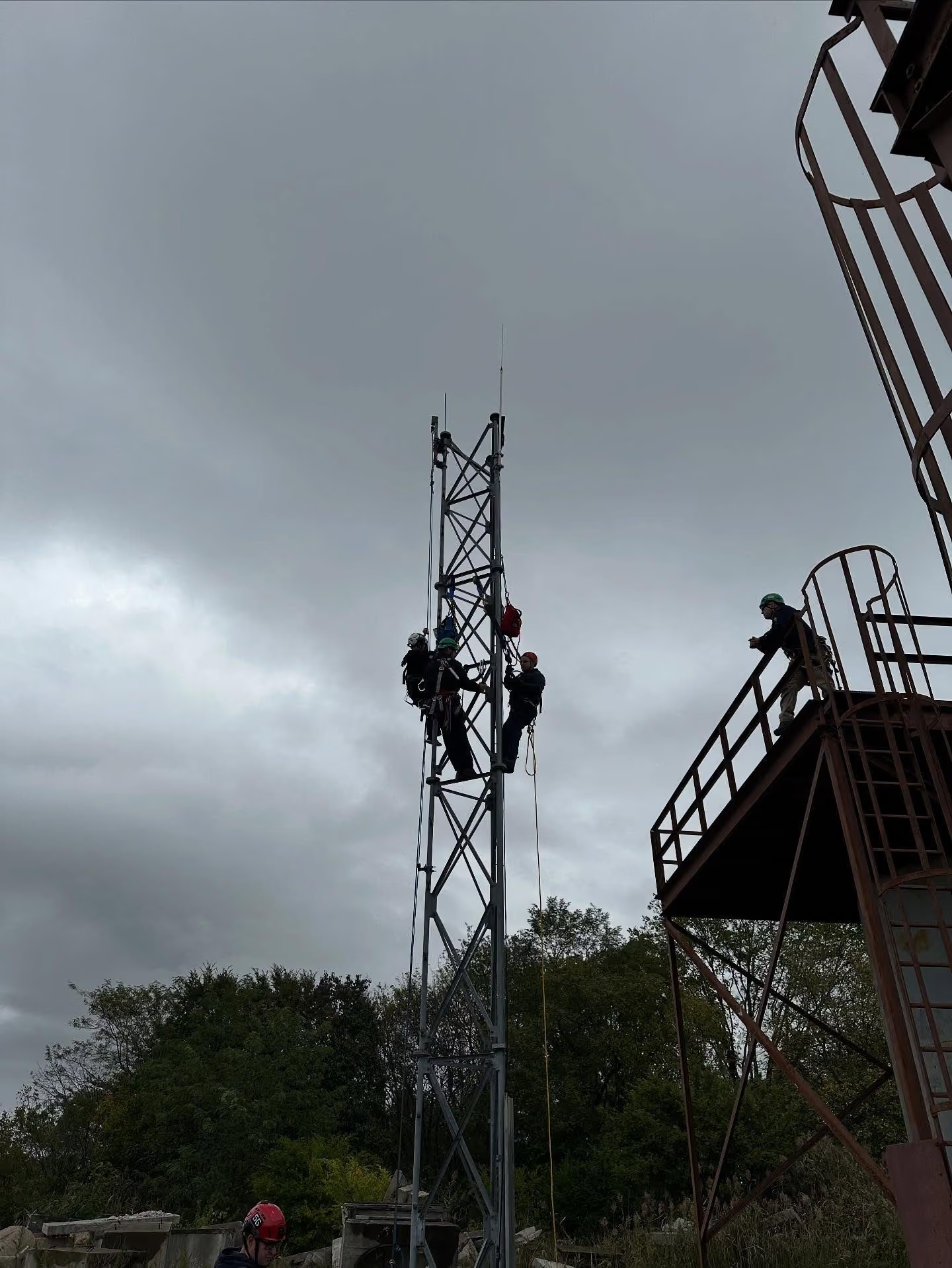
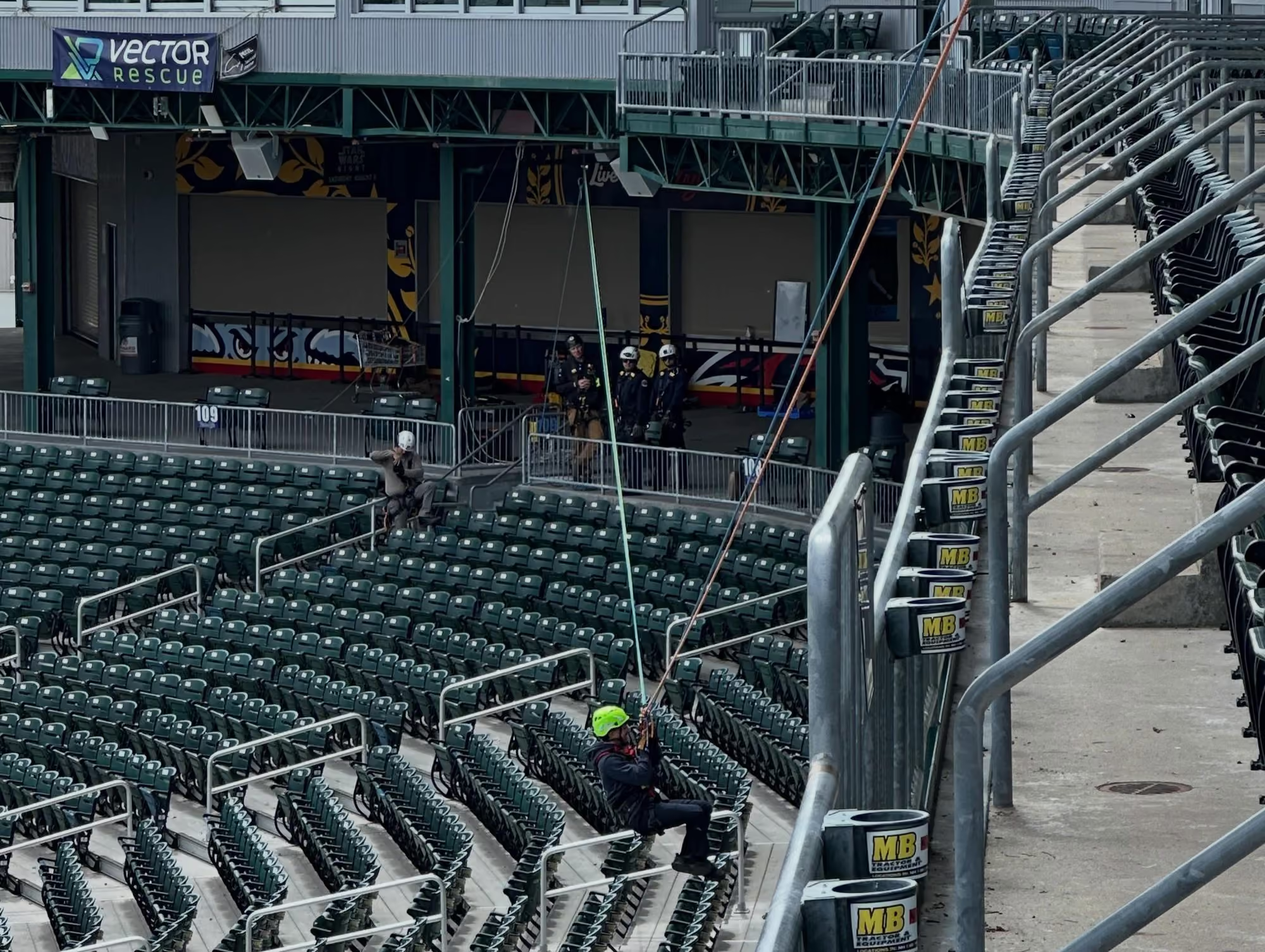
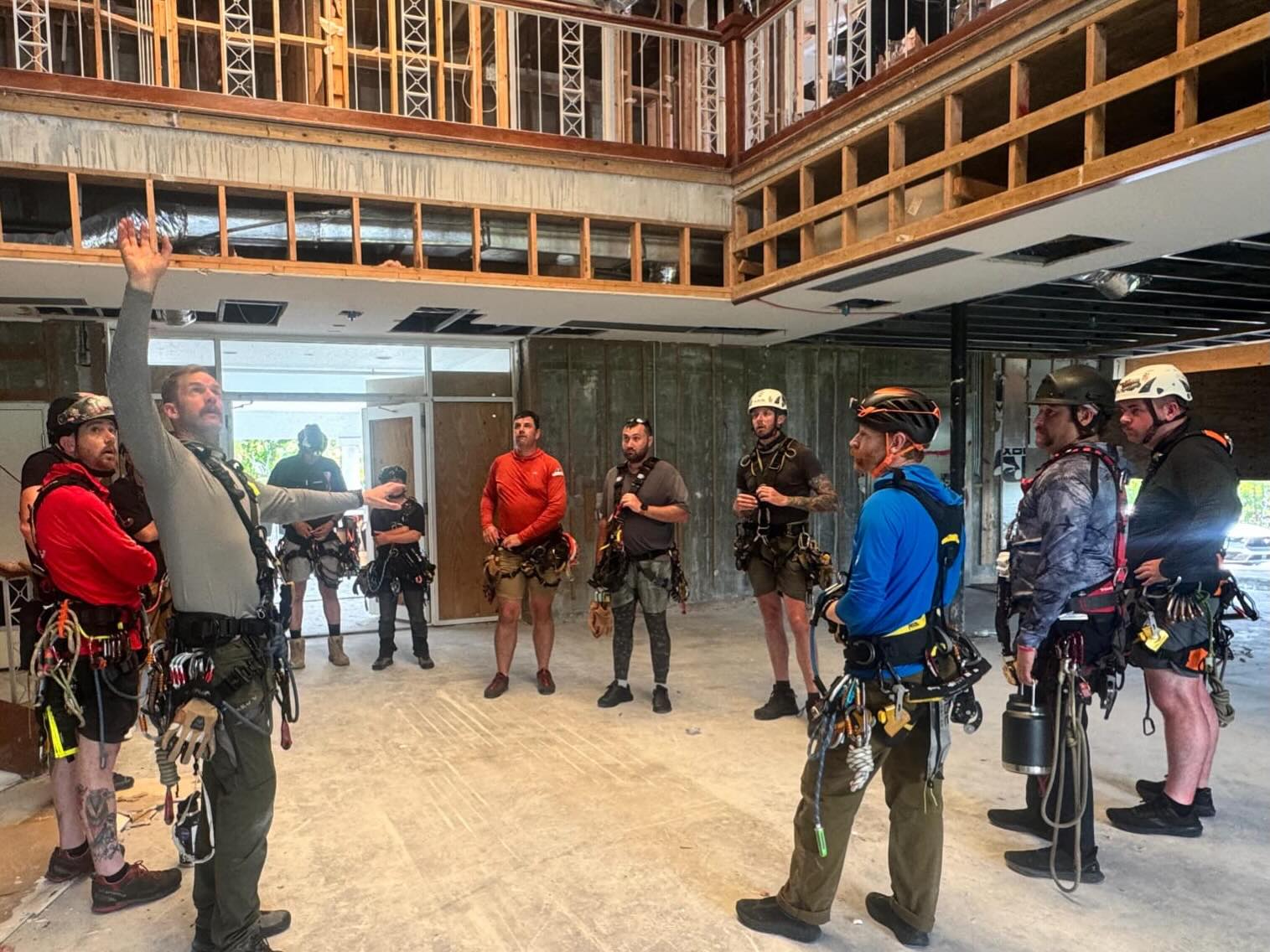
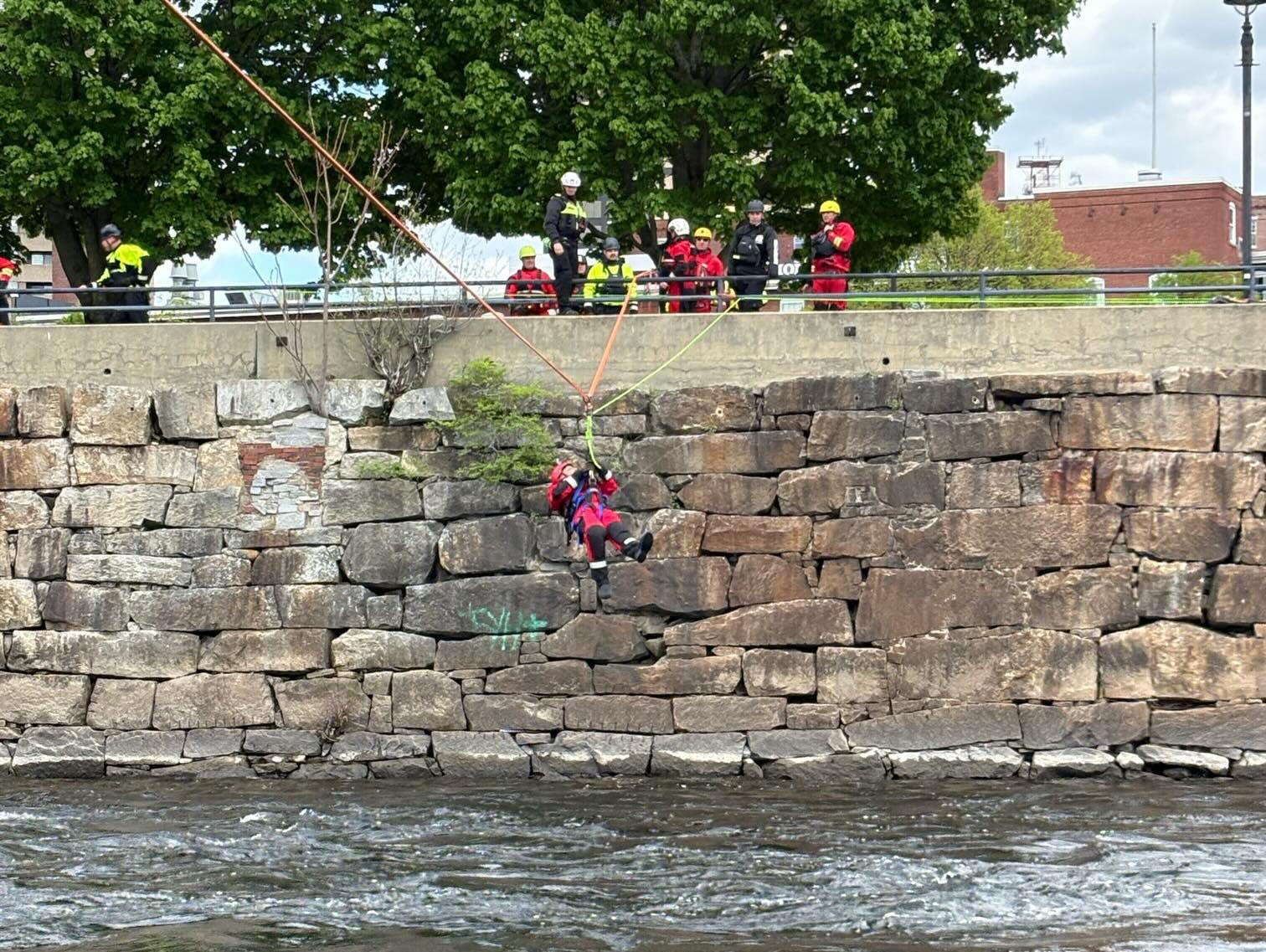
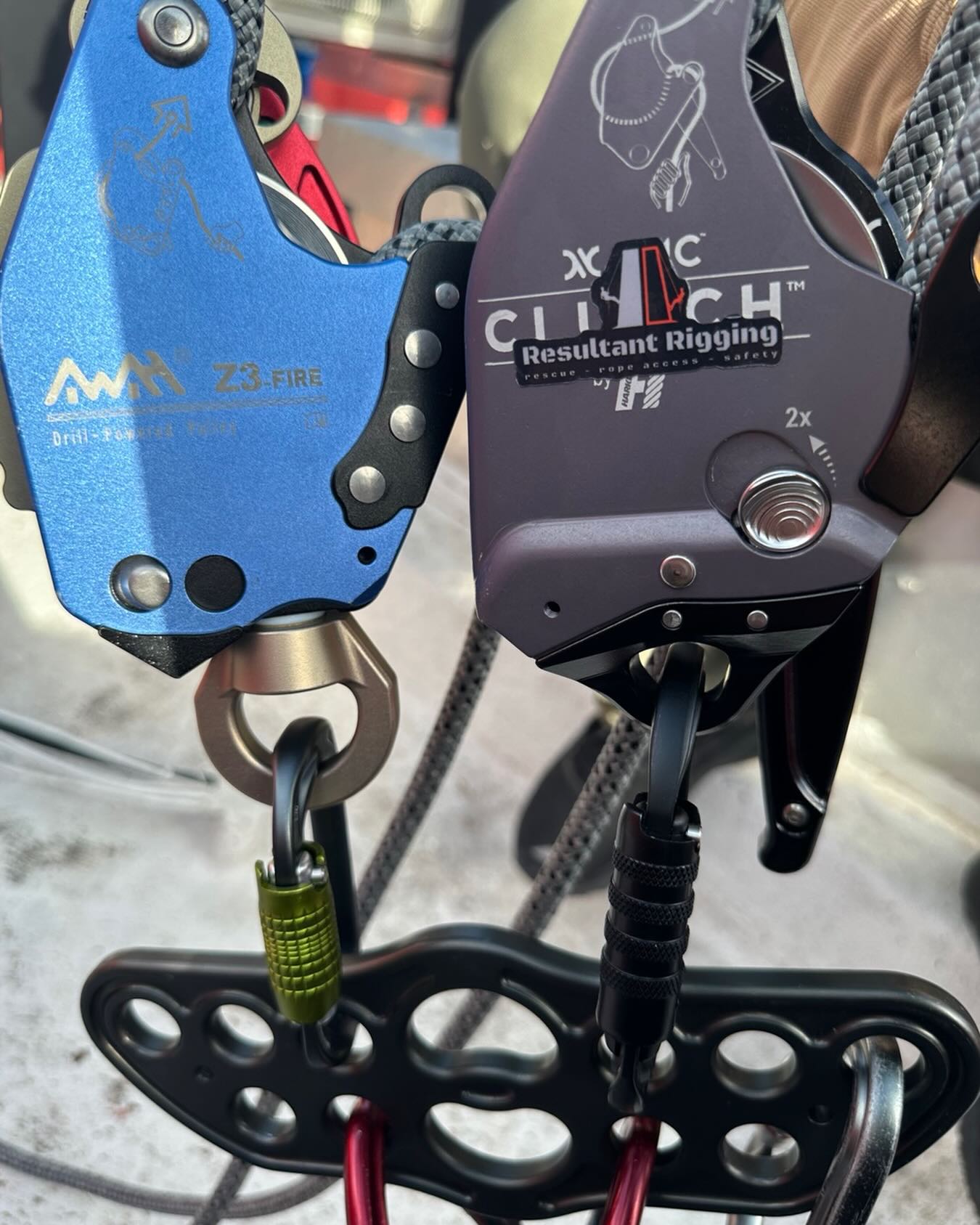
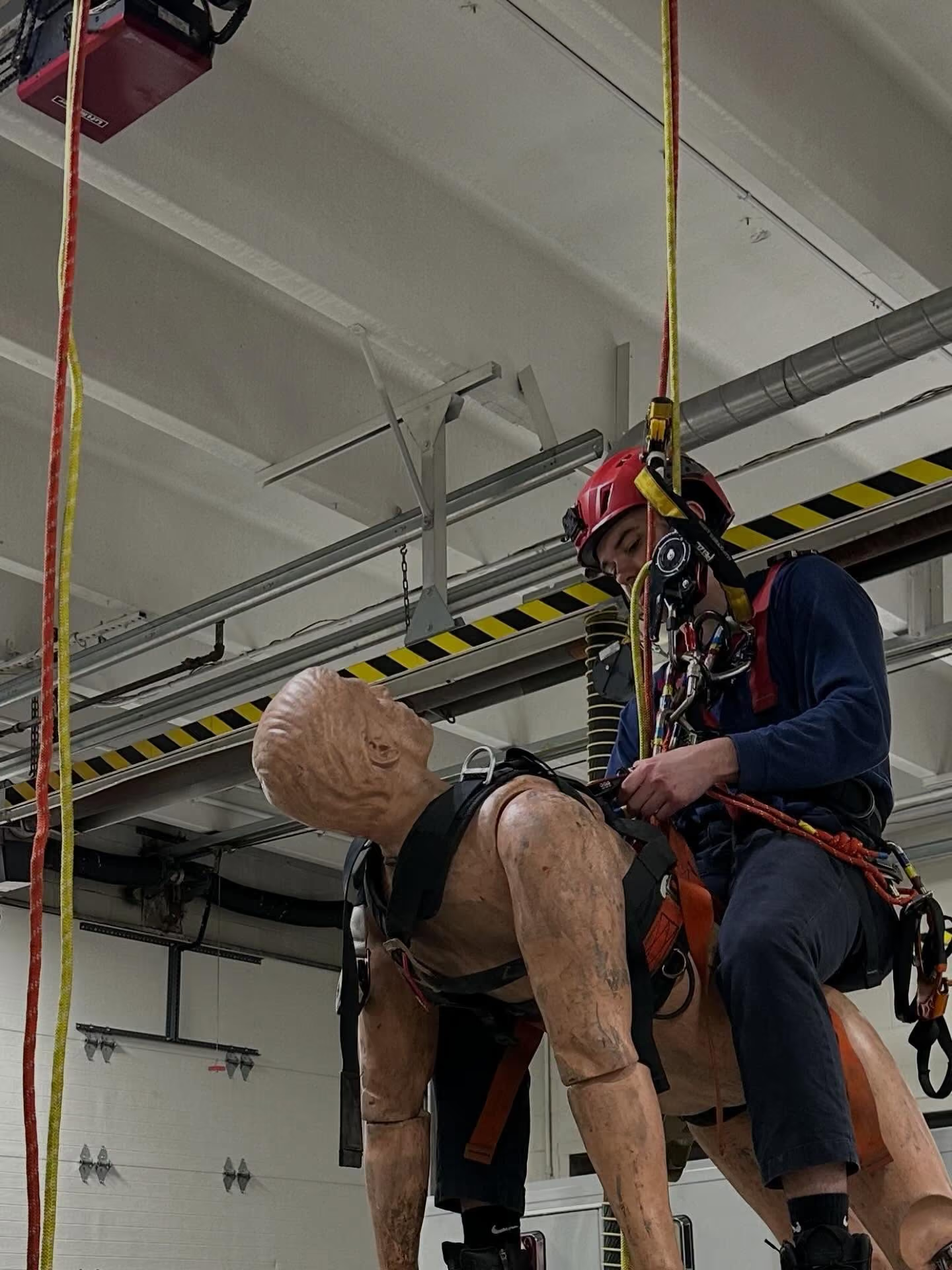
Anyone looking to become a better rescuer.
If you're serious about the craft — regardless of patch, department, or discipline — you belong on the rope.
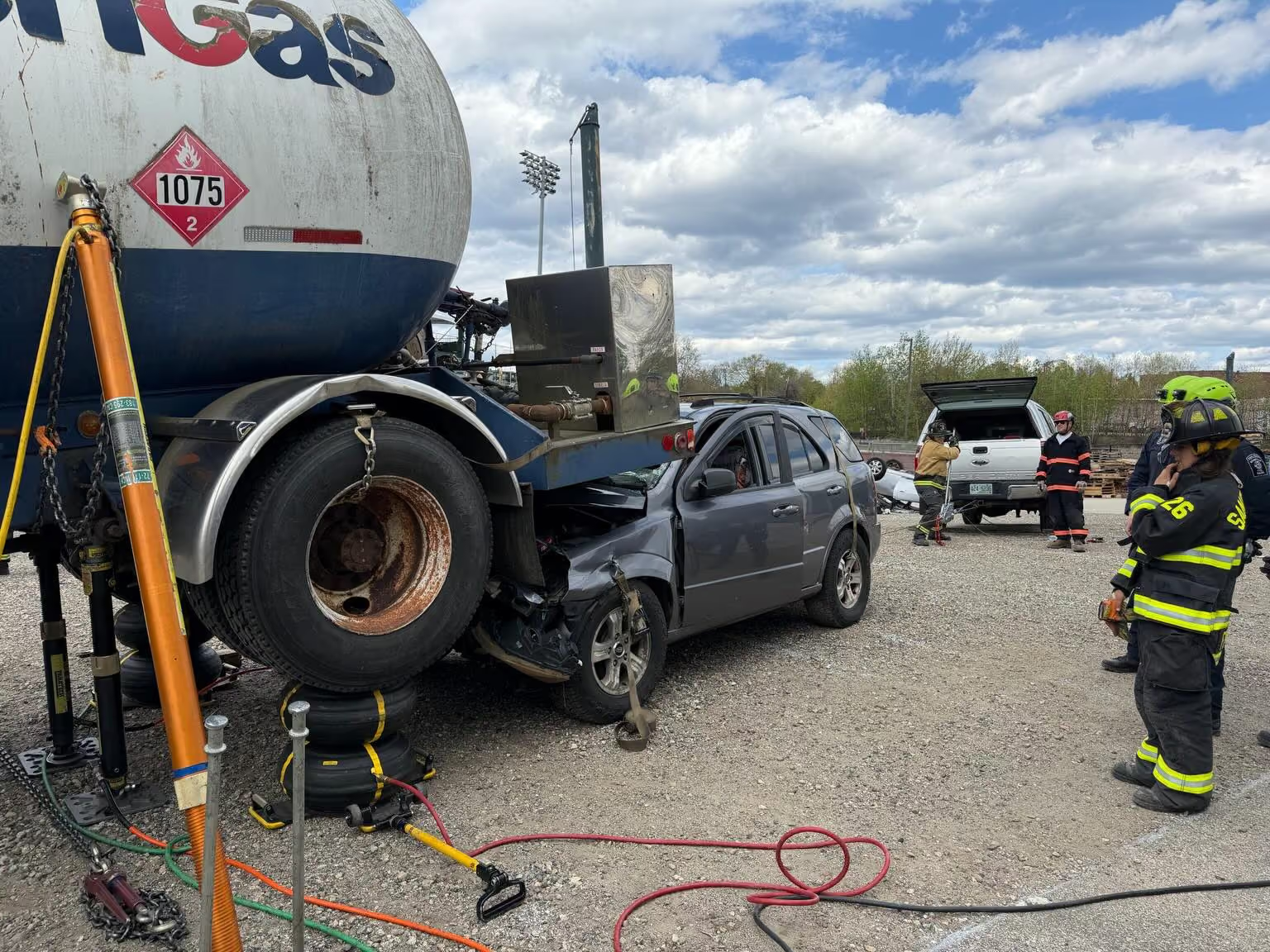
Firefighters
Career and volunteer members building technical rescue depth beyond the minimum standard.
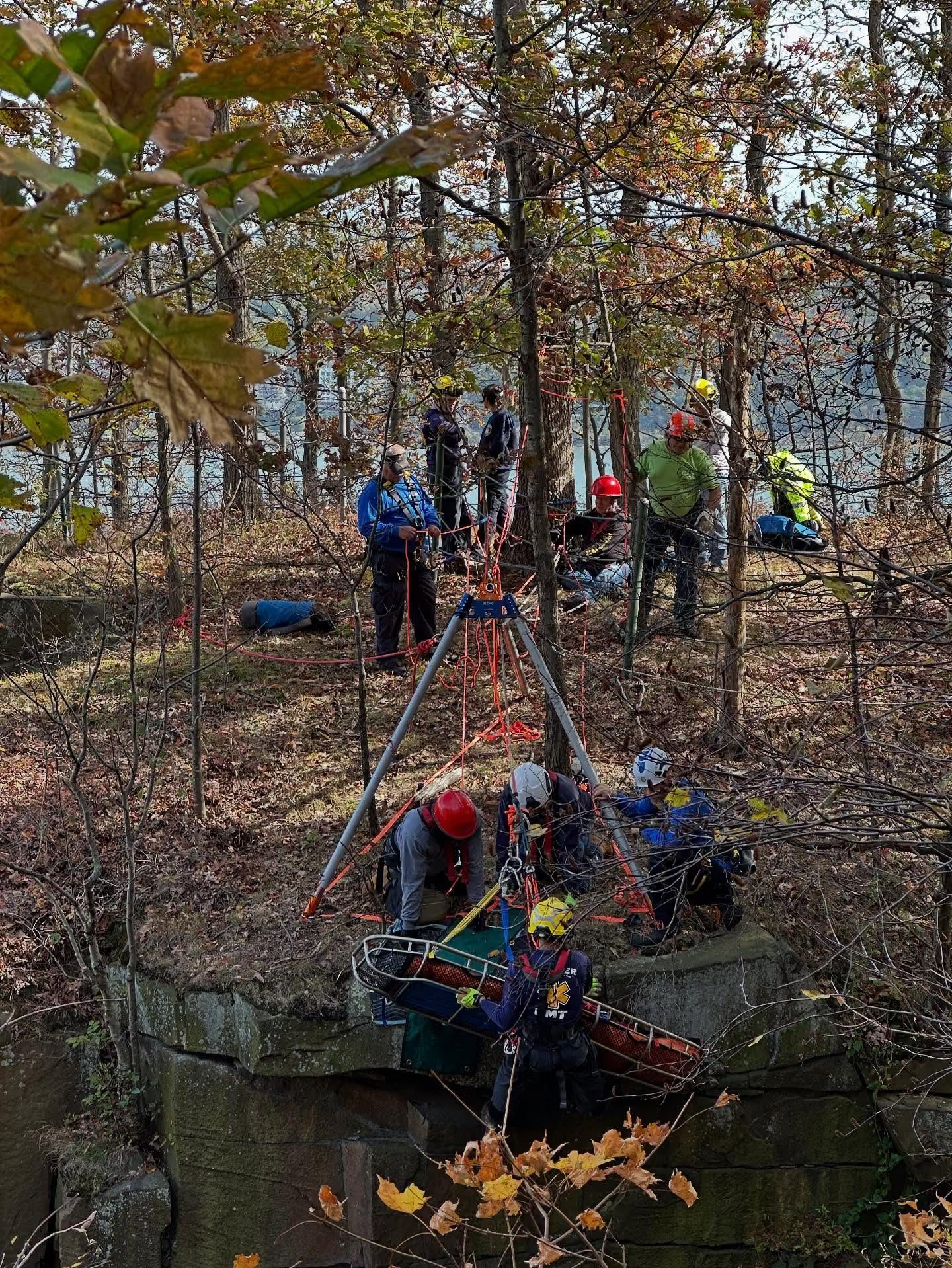
Rescue teams
Rope, confined space, trench, and collapse teams who want realistic reps together — before the real call forces it.
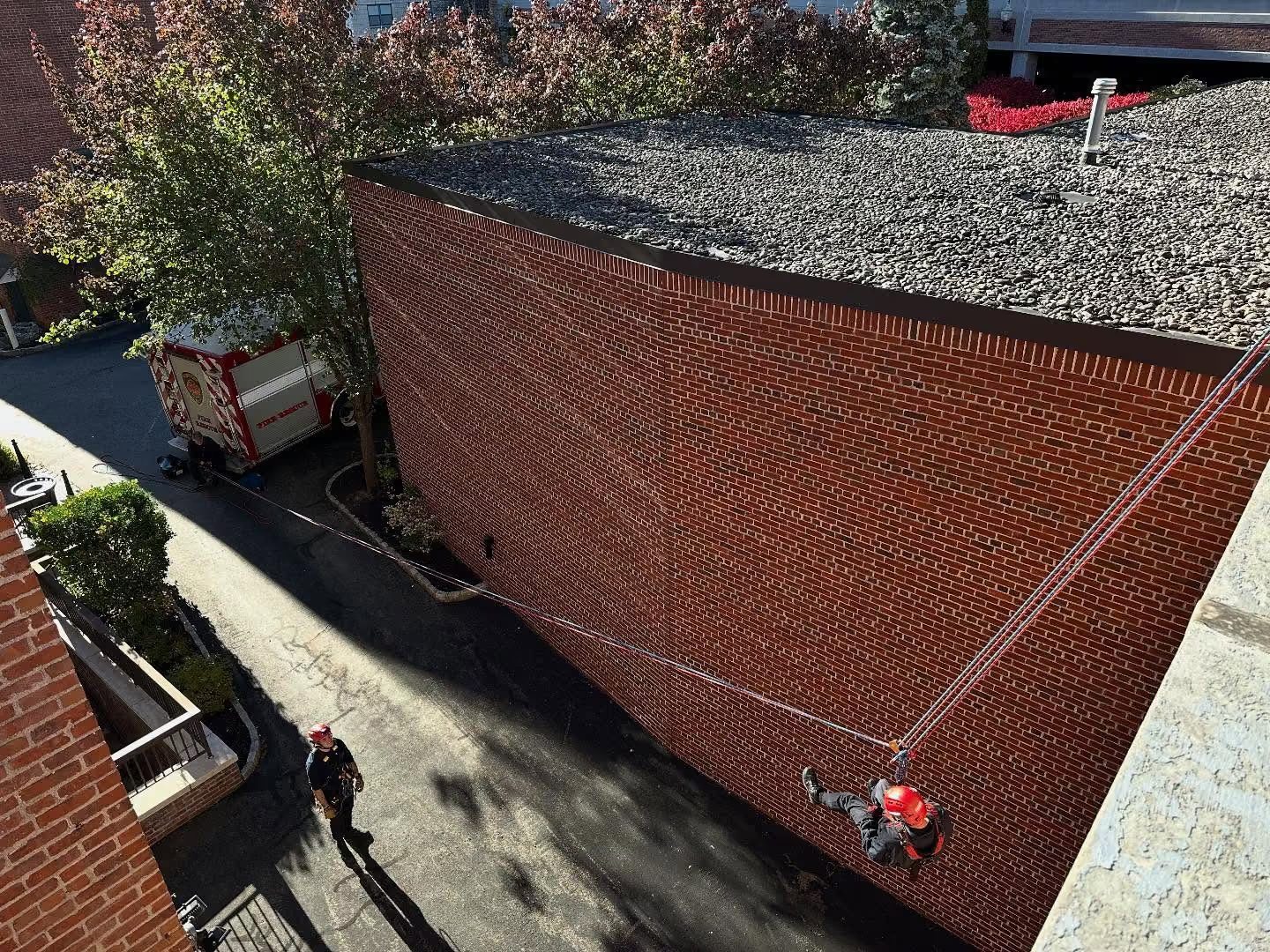
Rope access pros
Technicians and riggers sharpening systems, anchors, and rescue capability for work at height.
Rope. Confined space. Trench. Collapse.
Bring your method. We'll bring a realistic problem and the time to work it properly.
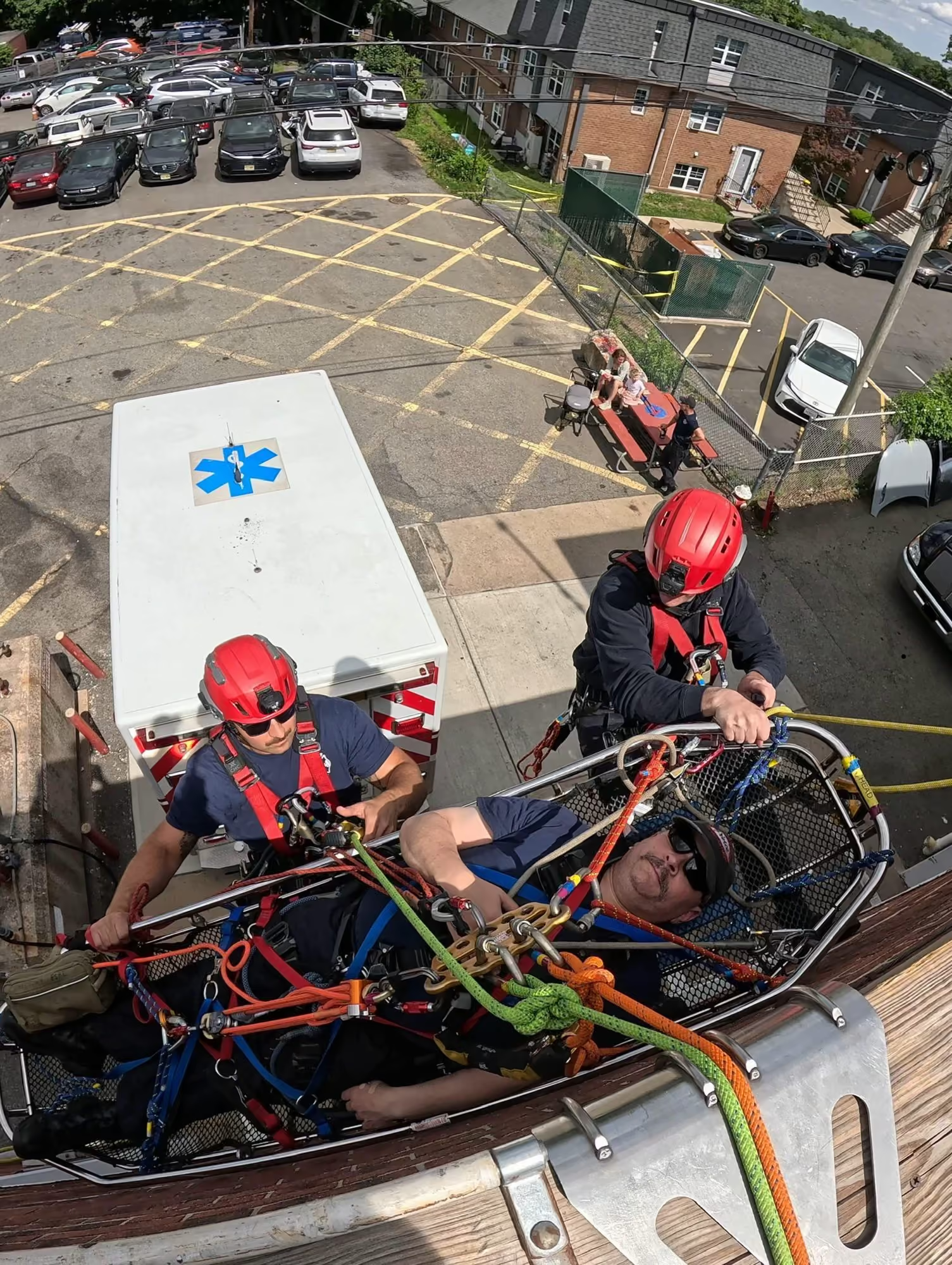
Rope rescue
High- and low-angle systems, mechanical advantage, and litter management. Rigged and run in real environments, not on a training tower.
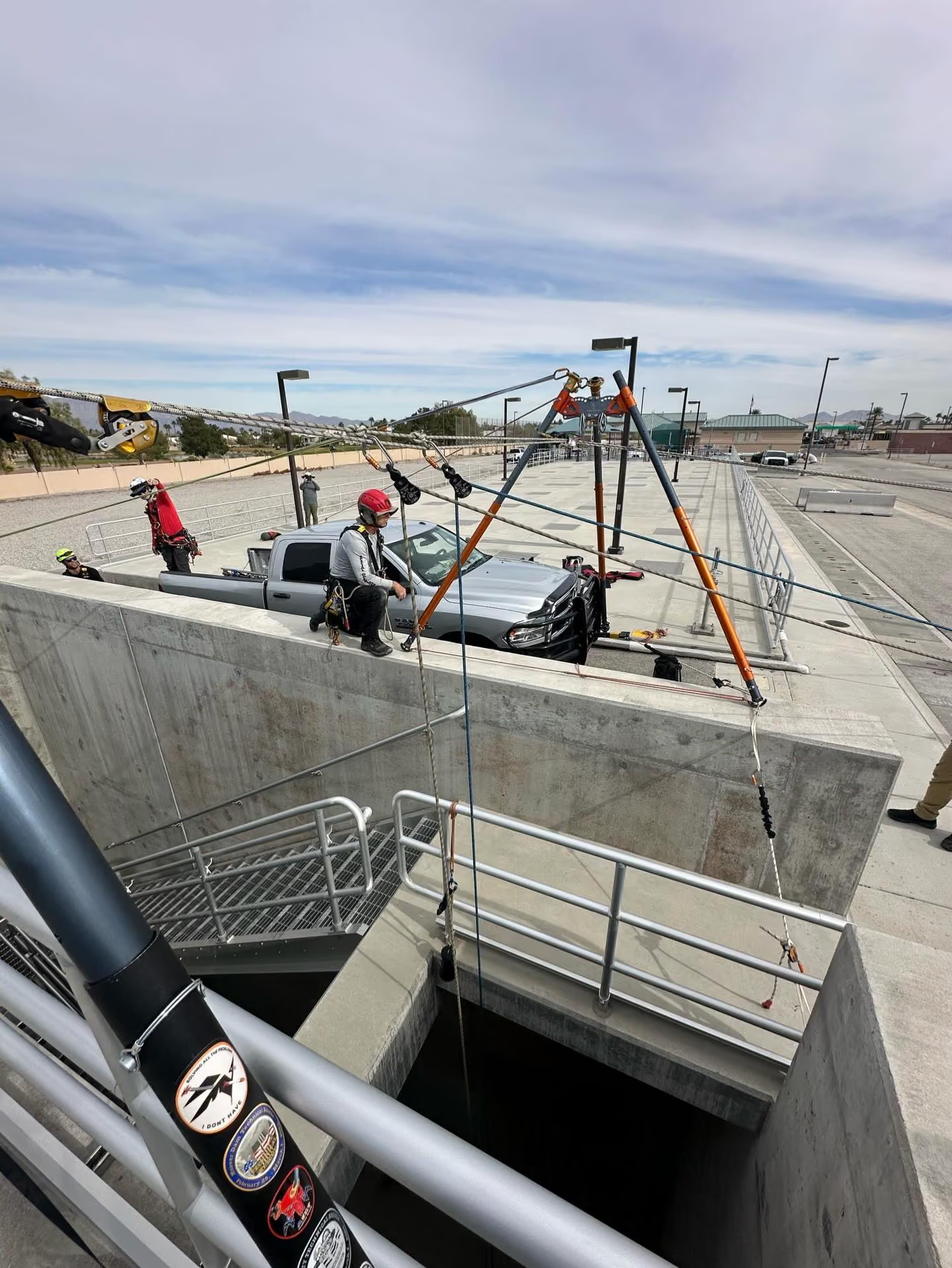
Confined space
Atmospheric hazards, retrieval systems, and patient packaging where there's no room to work.
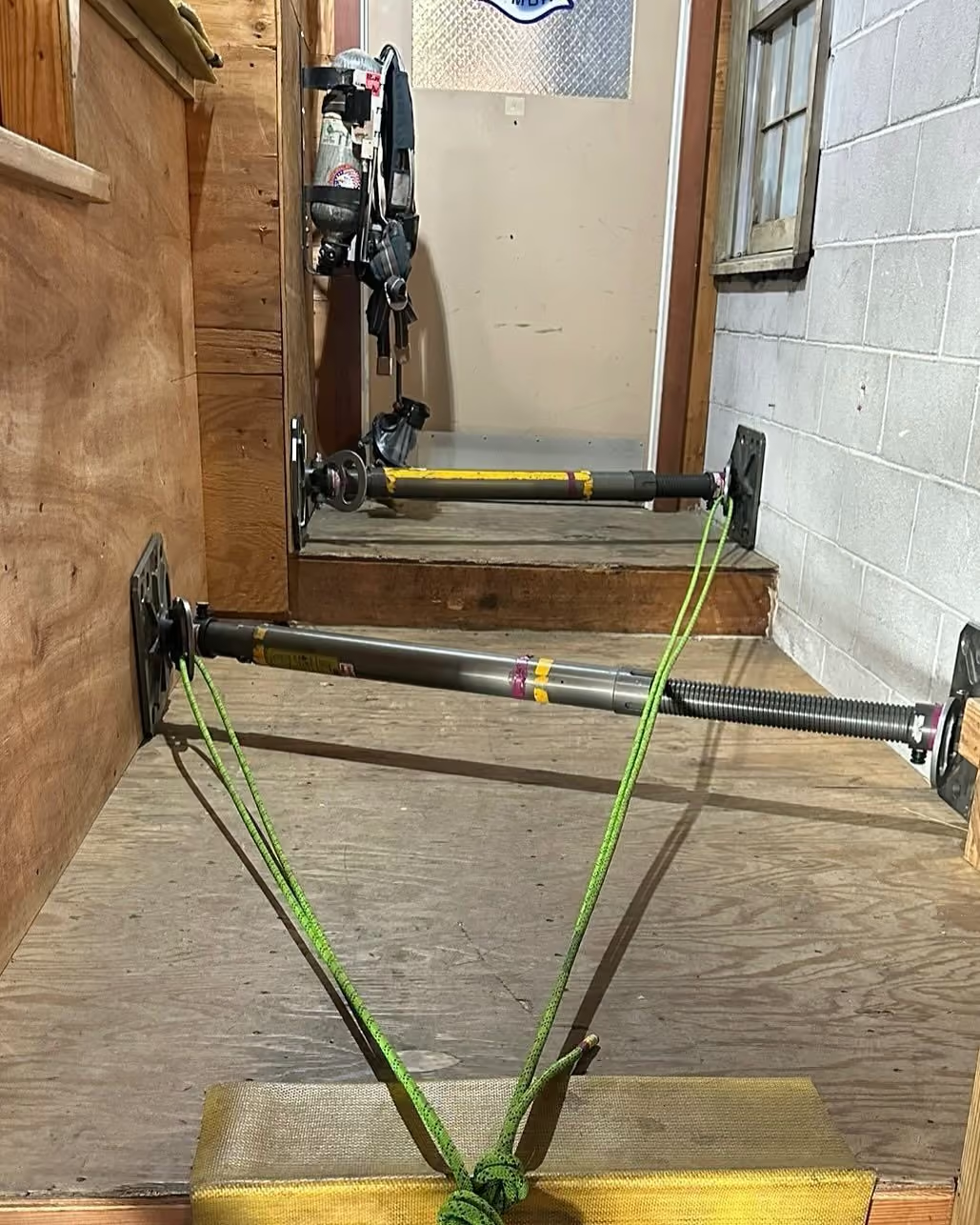
Trench rescue
Shoring, soil behavior, and extrication from an unstable hole in the ground.
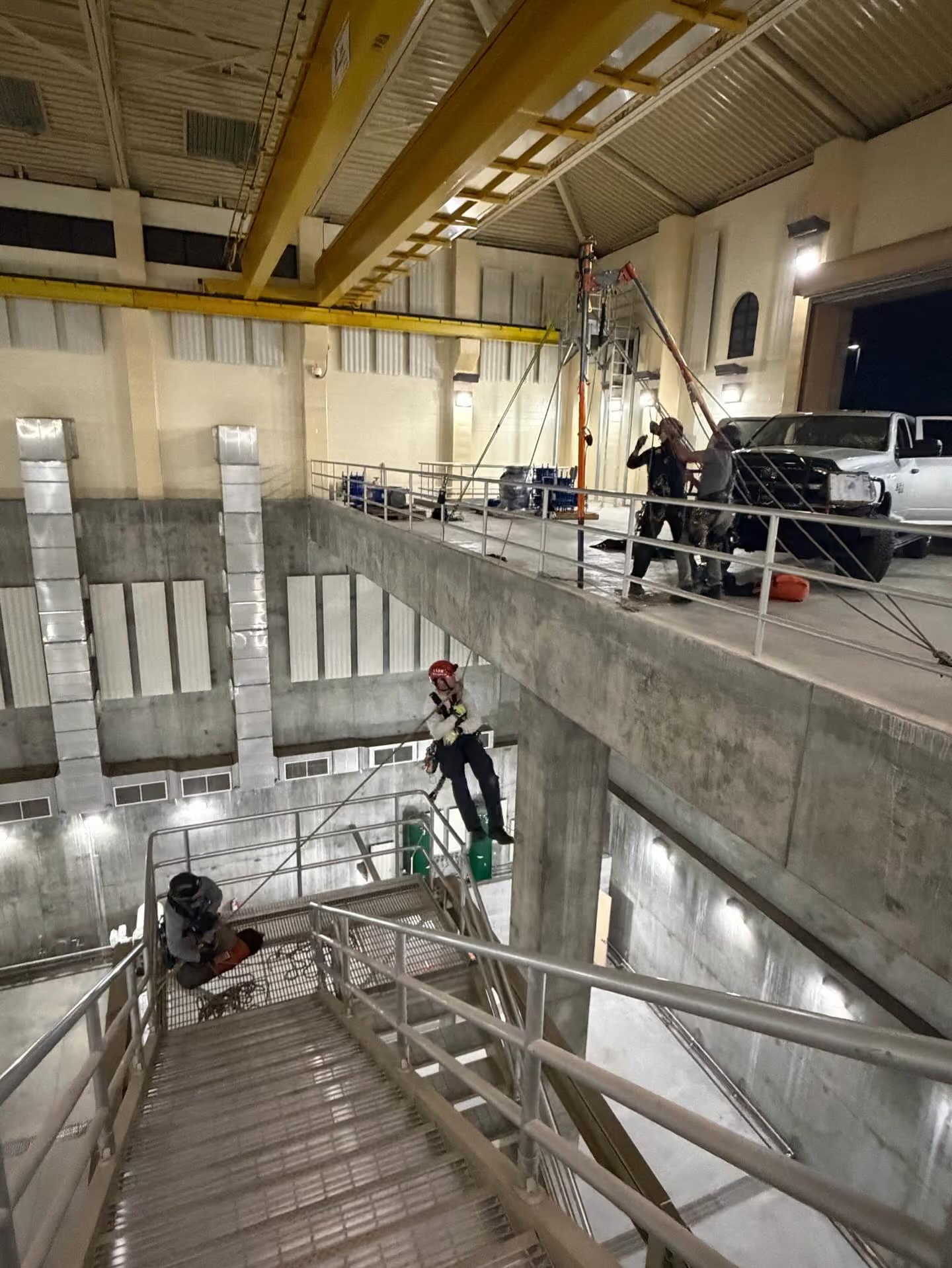
Structural collapse
Void search, breaching, and shoring in compromised structures.
Lifelong climber. Career firefighter. Rescuer first.
I've spent enough time on both ends of a rope to know how much distance there is between what we're trained to do and what the call actually asks of us. Closing that gap is the whole job.
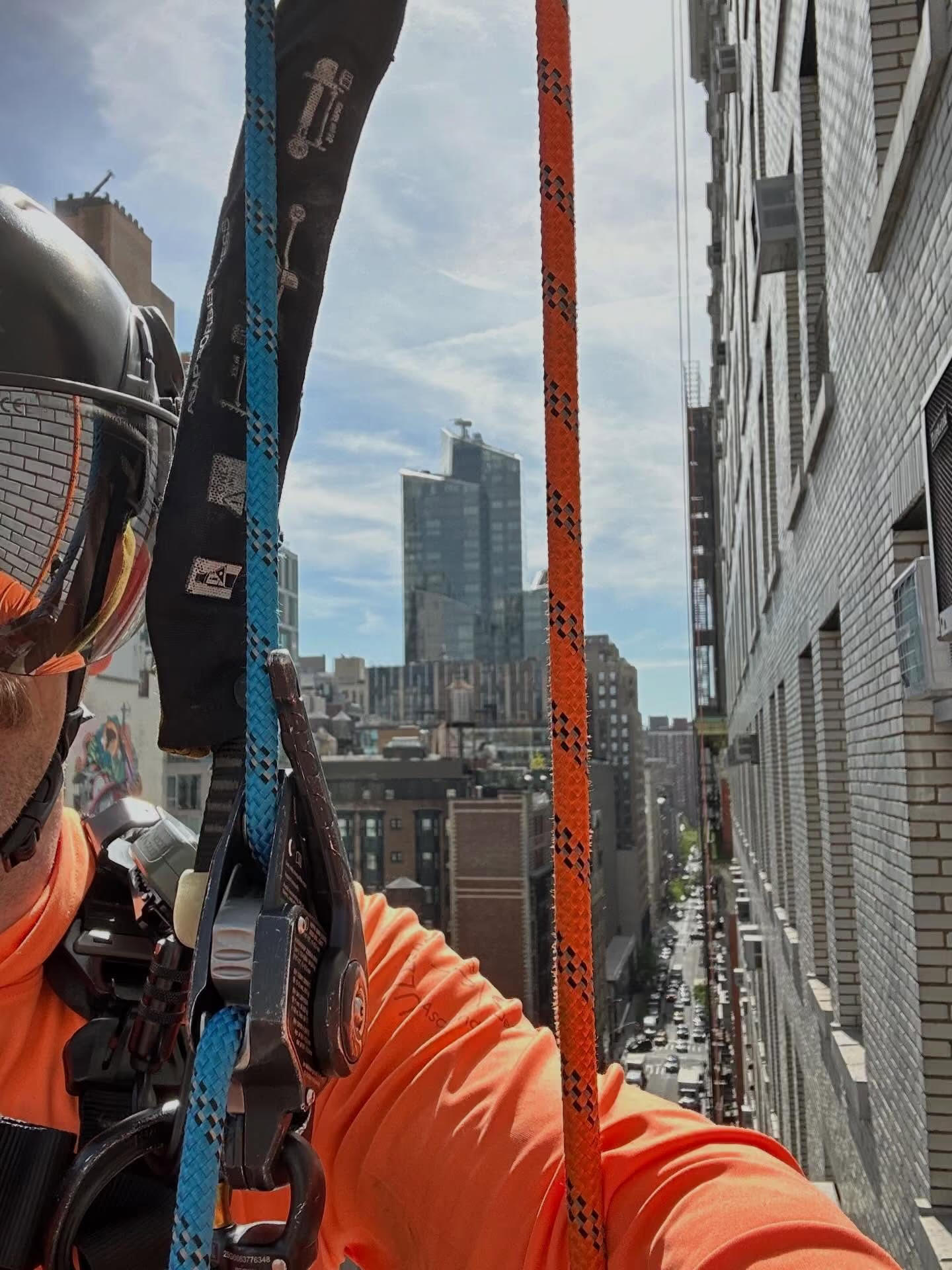
On rope
Sport, trad, big wall and ice. Years guiding before I ever put on turnout gear.
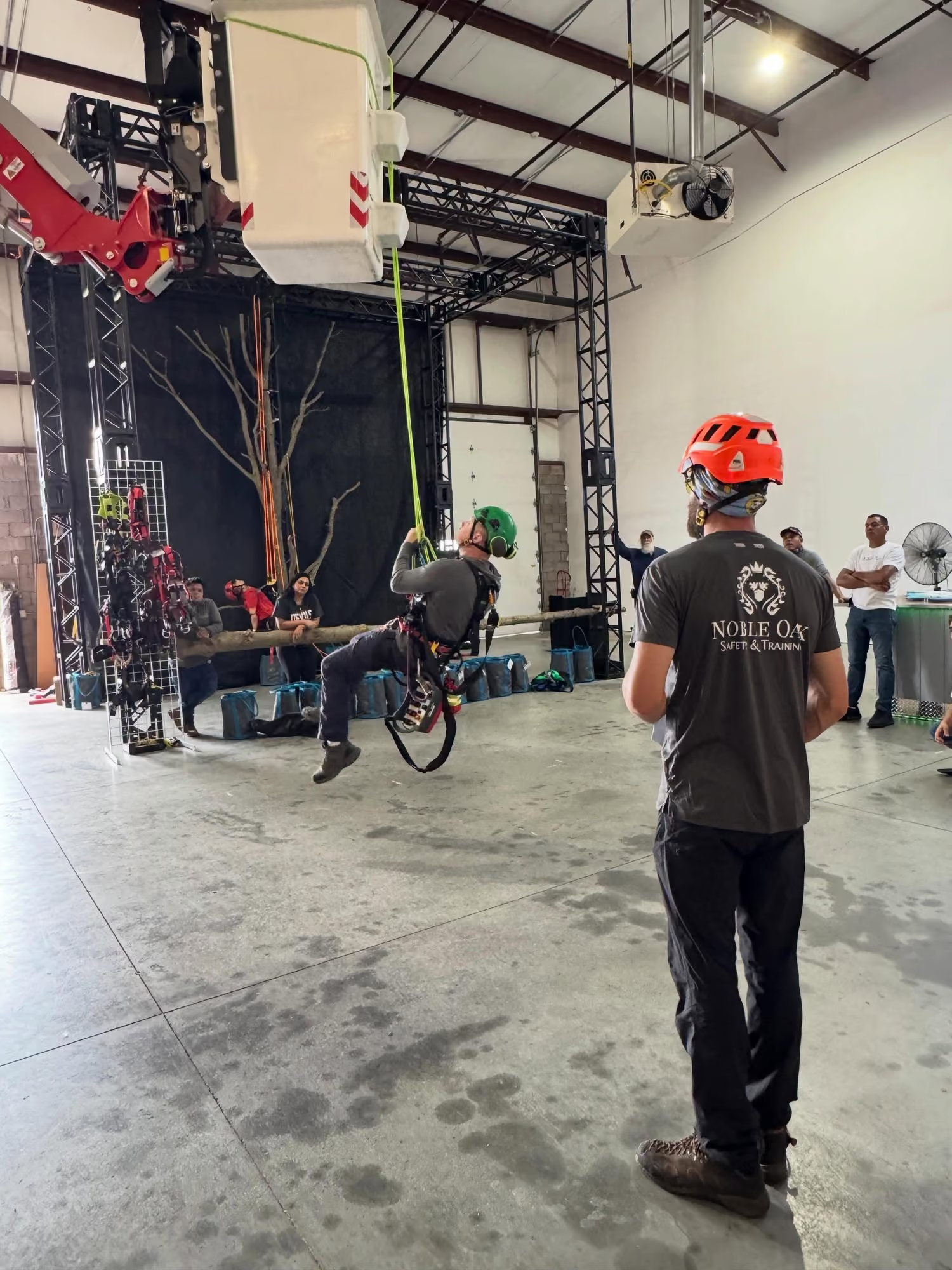
On the ground
Twenty years in the military, four as a naval engineer and sixteen in army reconnaissance. Then a career on the fire ground.
Upcoming Training Days
The next Training Day, with the location and what we'll be working. Dates go to the email list first.
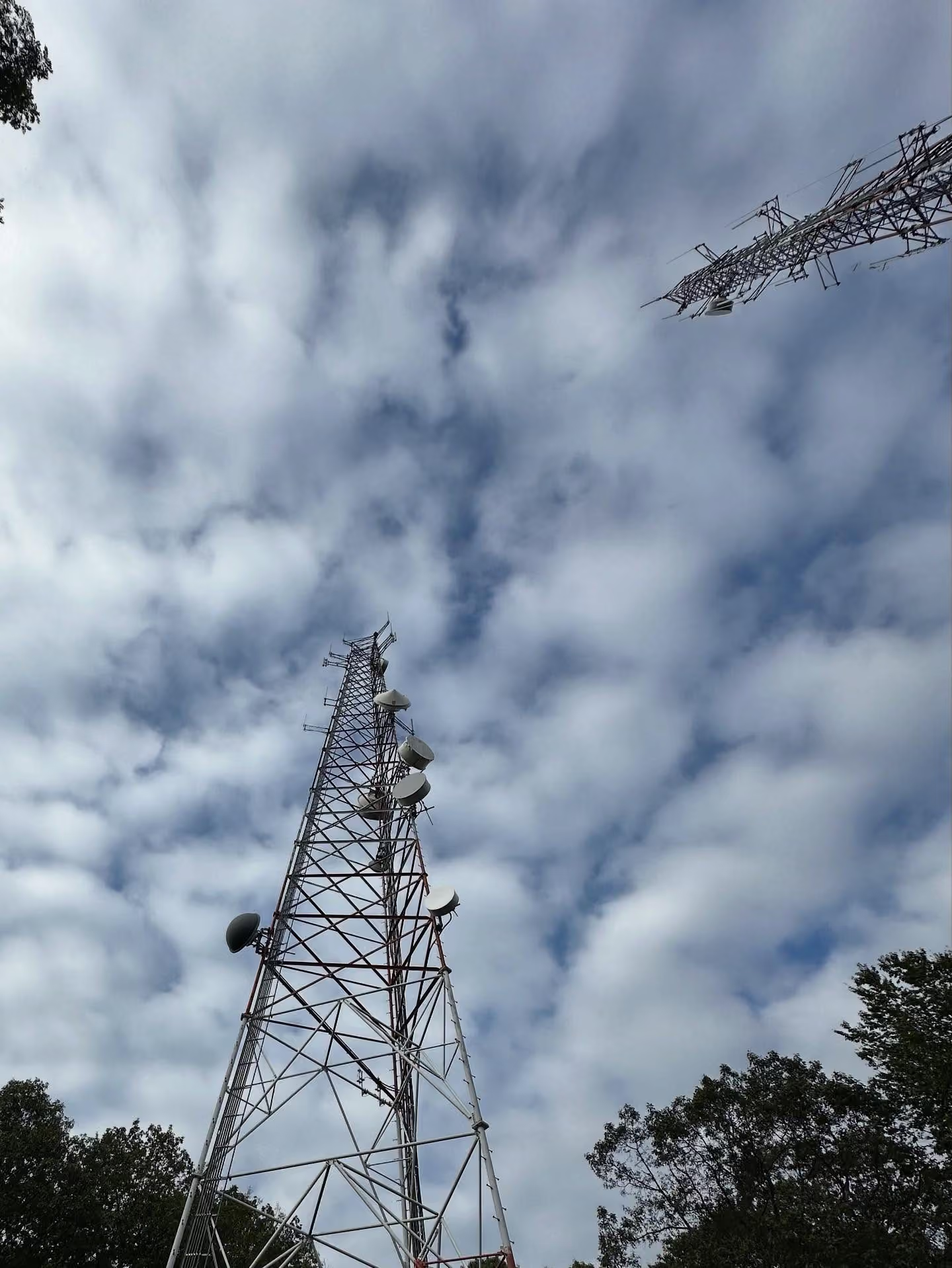
Get on the rope.
Tell us what you need to train and we'll build the day around it.